
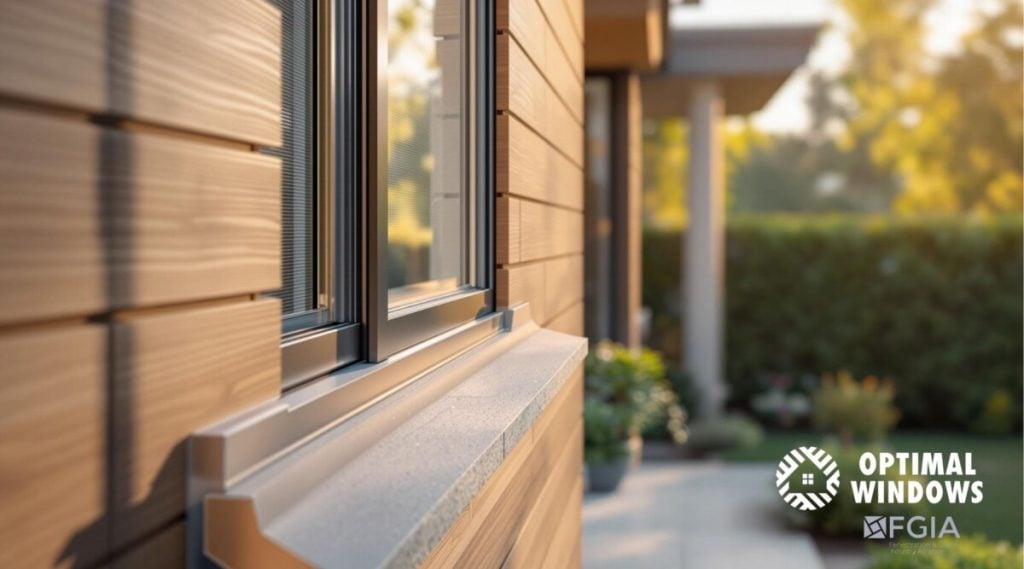
Window Flashing Code Requirements in Plano, TX | Installation Guide for Homeowners
Proper window flashing protects your home from water damage and ensures energy efficiency. Here’s what you need to know:
- Purpose: Flashing acts as a water-resistant barrier, channeling moisture away from windows.
- Building Codes: The IRC and IBC require flashing to integrate with water-resistive barriers for moisture control and durability.
- Installation Steps:
- Install a water-resistive barrier first.
- Apply flashing in layers (pan, sides, head).
- Inspect for proper integration and drainage.
- Methods: Use AAMA Methods A (new construction) or B (retrofits). Modern options like sill pans and liquid flashing offer added protection.
- Common Errors: Avoid incorrect layering, poor sealing, or ignoring manufacturer guidelines.
- Inspection Checklist: Ensure proper materials, sequence, integration, and drainage.
For best results, hire FGIA-certified professionals who follow codes, verify performance, and document the process. Proper flashing safeguards your home and extends window lifespan.
How To Flash A Window Sill, Jamb, And Header And Properly …
Main Code Requirements
Building codes outline specific rules for window flashing, focusing on approved materials, correct installation techniques, and strict quality checks.
Building Standards
The International Residential Code (IRC) and International Building Code (IBC) mandate that window flashing must work seamlessly with a home’s water-resistive barrier to create a continuous shield against moisture. Key requirements include:
- Use of approved materials with proven water resistance
- Proper integration with water barriers
- Overlapping components to prevent gaps
- Effective drainage to guide water away
At Optimal Windows, FGIA-certified experts ensure these standards are met during every installation.
Installation Steps
To comply with these building standards, installation must follow a specific sequence:
- Primary Barrier Installation: Install the water-resistive barrier first to create a solid base for flashing.
- Flashing Application: Apply flashing in layers, starting with the pan, then the sides, and finishing with the head flashing.
- Final Inspection: Verify that the flashing system integrates fully with the building wrap, drainage plane, and weather barrier.
Flashing Installation Methods
Installing window flashing requires careful attention to detail to keep water out effectively. At Optimal Windows, our FGIA-certified technicians stick to methods that meet building codes.
AAMA Methods A and B

The American Architectural Manufacturers Association (AAMA) outlines two main approaches for window flashing:
Method A is used in new construction when the weather-resistant barrier is installed before the window:
- Start with sill flashing
- Overlap jamb flashing onto the sill
- Add head flashing over the jambs
- Use a shingle-lap technique to integrate with the building wrap
Method B is for retrofit installations or when the weather barrier is applied after the window:
- Attach the window to the rough opening
- Apply jamb flashing first
- Add head flashing over the jambs
- Install the weather barrier last
These tried-and-true methods provide solid protection, but newer techniques can add even more defense against water.
Pan and Liquid Flashing
Modern approaches to flashing can work alongside AAMA methods to improve water resistance:
Sill Pan Flashing offers extra protection at the base with features like:
- Built-in drainage
- End dams to manage water flow
- A sloped design for better runoff
- Materials that work well with other components
Liquid Flashing Applications provide:
- Smooth coverage for uneven or oddly shaped surfaces
- Direct bonding to materials without fasteners
- A continuous, gap-free barrier
At Optimal Windows, we carefully assess each project to choose the best flashing method. Factors like window style, wall construction, and local weather conditions all play a role. Our certified installation company ensures that flashing is properly integrated with existing water barriers for dependable protection.
Window-Specific Requirements
Different types of windows and materials call for tailored flashing methods to ensure proper water management and compliance with building codes. At Optimal Windows, we adjust our flashing techniques to match window specifications while strictly following all relevant regulations.
Vinyl
Vinyl window replacement requires distinct flashing solutions due to their material characteristics and frame designs:
Vinyl Windows
- Use flexible flashing with added sealant and leave a 1/4-inch gap at the nailing flanges to allow for thermal expansion.
- Include sill pans with a positive slope of at least 1/4 inch per foot.
- Ensure a minimum 4-inch overlap onto the wall face to integrate effectively with the water-resistive barrier.
Next, let’s look at custom window setups that need even more tailored solutions.
Custom Window Flashing
Custom window configurations go beyond standard practices, requiring specialized flashing techniques to handle their unique designs:
Bay Windows
- Use extended sill flashing that extends past the window assembly.
- Add support flashing beneath structural brackets.
- Integrate with roof flashing when necessary.
- Ensure precise flashing at intersecting planes for a watertight seal.
Connected Window Systems
- Plan overlapping flashing carefully at mullions.
- Maintain proper spacing between units, typically 1/8 to 1/4 inch.
- Apply specialized mulling techniques to enhance weather resistance.
- Ensure continuous drainage paths across all connected units.
Our installation teams handle:
- Primary flashing around the window perimeter.
- Secondary flashing at joints and transitions.
- Seamless integration with the building’s existing envelope systems.
- Proper overlap sequences to promote effective drainage.
Common Installation Errors
Proper flashing installation plays a crucial role in preventing water damage and improving energy efficiency. Mistakes during the process can compromise these benefits, making accurate installation a must.
Code Violations to Avoid
While following the installation steps mentioned earlier, steer clear of common mistakes. These include incorrect layering, poor integration with the water-resistive barrier, and failing to follow manufacturer guidelines. Such errors can result in water leaks and reduced energy efficiency.
Prevention Steps
Stick to high professional standards to avoid these issues:
Professional Installation Requirements
- Hire FGIA-certified installers familiar with up-to-date building codes.
- Keep detailed records of all installation procedures.
Quality Control Measures
| Stage | Key Prevention Steps |
|---|---|
| Pre-Installation | Ensure material compatibility and review local codes. |
| During Installation | Use the right tools and follow the correct layering process. |
| Post-Installation | Test for water resistance and confirm proper drainage. |
Performance Verification
- Conduct regular inspections of the installation.
- Perform water penetration tests.
- Verify the efficiency of the drainage system.
“Compromised windows and patio doors can lead to increased drafts, noise, and energy bills, diminishing your home’s comfort and efficiency.” – Optimal Windows
Meeting Code Requirements
Ensuring compliance with code requirements requires accuracy and skilled expertise to pass inspections and prevent water infiltration.
Inspection Checklist
Building inspectors focus on key factors when assessing window flashing installations:
| Inspection Area | Requirements |
|---|---|
| Flashing Materials | Must comply with AAMA standards and local codes |
| Installation Sequence | Proper shingling from top to bottom |
| Integration | Seamless connection with water-resistive barrier |
| Sealing | Full coverage around the window perimeter |
| Drainage | Effective weep system and correct slope |
Inspectors check for proper material overlap, fastener placement, sealant application, and drainage functionality. This checklist supports the installation sequence described earlier.
Professional Installation
Adhering to inspection guidelines requires skilled professionals to ensure everything is done right. FGIA-certified installers are trained to meet code requirements and handle complex regulations.
For instance, recent installations in Plano, Texas consistently passed inspections.
Working with certified installers provides several advantages:
- Precise planning and execution that aligns with code requirements
- Post-installation checks to confirm compliance
- Detailed documentation for seamless building inspector reviews
Professional installers maintain thorough records, including photos and documentation of key steps in the installation process. These records are critical during inspections and demonstrate that all codes have been followed.
“Our process is managed by a FGIA-certified expert for every installation, ensuring exceptional quality and craftsmanship in every project.” – Optimal Windows
Wrapping It Up
Proper window flashing installation plays a key role in protecting your home from water damage and structural problems. Done correctly, it not only shields your property but also helps maintain its value.
Quick Reference Guide
Here’s a breakdown of the essentials:
| Aspect | Importance | Recommendation |
|---|---|---|
| Installation Quality | Improves energy efficiency and water resistance | Hire FGIA-certified installers |
| Material Selection | Ensures durability and code compliance | Opt for AAMA-approved materials |
| Professional Expertise | Guarantees accuracy and compliance | Work with certified professionals |
| Documentation | Confirms adherence to codes | Keep detailed records |
By relying on certified experts, you ensure:
- Compliance with building codes
- Better energy efficiency
- Reliable water protection
- Thorough inspection documentation
“Our commitment is simple: to deliver a seamless, stress-free experience that enhances your appreciation of your home every day.” – Optimal Windows
Take a moment to review and connect with FGIA-certified professionals to enjoy these benefits.
Upgrade Your Home with Certified Window Installation
Discuss your project with a certified window professional — no pressure, no sales pitch, just clear answers and guidance.
Additional Resources
12 Tips for Maximizing the Impact of Windows on Your Home’s Resale Value


