
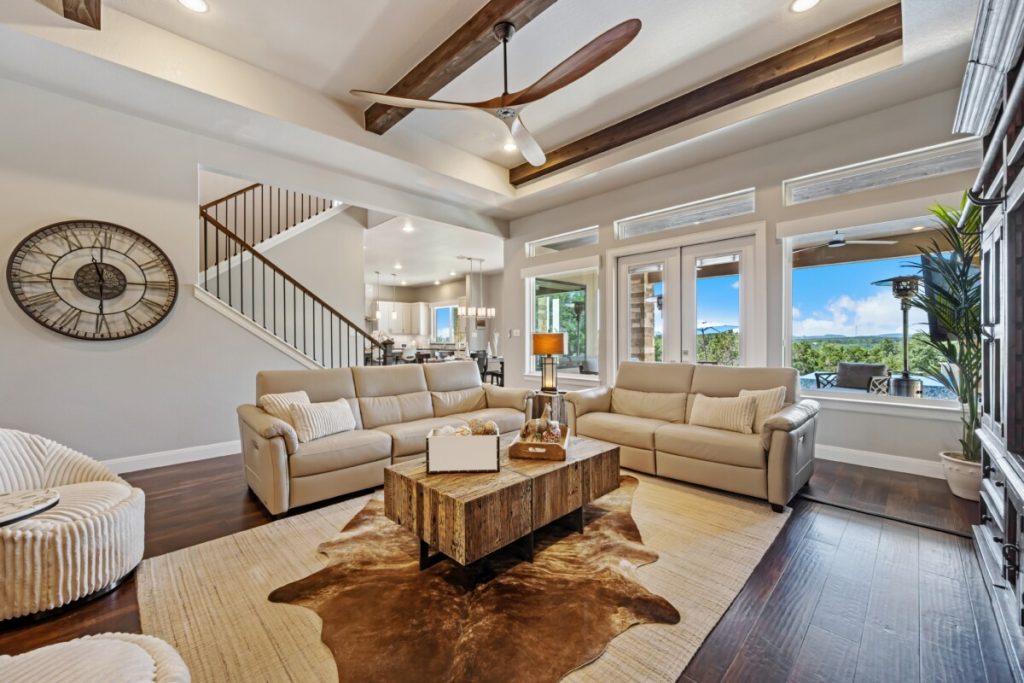
How Low-E Glass Works in Hot Climates
Low-E glass is a must-have for homes in hot climates like Texas – especially in Far North Dallas. This glass uses a thin, invisible metallic coating to reflect heat and block harmful UV rays while letting in natural light. The result? Cooler indoor temperatures, lower energy bills, and protection for your furniture from fading. Here’s why it works:
- Blocks Heat: Reflects up to 86% of solar heat to keep your home cooler – a major benefit in Far North Dallas neighborhoods like Prestonwood, Bent Tree, and Frankford/Marsh, where west-facing windows get hammered by sun.
- Lowers Energy Costs: Cuts cooling bills by 25–40%, with up to 30% savings in cities like Dallas.
- UV Protection: Blocks up to 99% of UV rays, preserving your furniture and flooring.
- Bright Interiors: Maintains 70–80% visible light transmission, so your home stays well-lit.
Installing Low-E glass with proper professional sealing ensures optimal performance. For Texas and Far North Dallas ZIP codes (75252, 75248, 75287) choose solar control Low-E glass with a Solar Heat Gain Coefficient (SHGC) of 0.14–0.25 and a U-factor of 0.30 or lower. These windows are an investment that pays off in comfort, energy savings, and durability.
How Low-E Glass Works
How Low-E Glass Works: The Science Behind the Technology
Low-E glass is a game-changer when it comes to keeping homes cooler in hot climates, and the science behind it is fascinating. It all comes down to microscopic metallic coatings that are invisible to the eye but incredibly effective at managing heat and light. These coatings filter the sun’s energy in a way that allows visible light to pass through while blocking heat and harmful UV rays. This clever technology is the reason Low-E glass excels at reflecting heat and protecting interiors.
Microscopic Coatings and Heat Reflection
The magic of Low-E glass lies in its ultra-thin metallic coatings, often made from silver or similar metals. These coatings are so thin – measured in nanometers – that they don’t alter the glass’s appearance or clarity. Despite being nearly invisible, they excel at reflecting infrared (IR) radiation, which is the primary source of heat.
Here’s how it works: when sunlight hits the glass, the coating acts like a selective mirror, letting visible light through while reflecting infrared heat. This creates a thermal barrier that keeps interiors bright and cool, effectively cutting down on heat gain.
Additionally, these coatings block up to 99% of UV rays, which not only helps maintain a cooler space but also protects furniture and other indoor items from fading. In sunny regions, where heat and UV exposure are constant challenges, this dual benefit makes Low-E glass an ideal solution.
Types of Low-E Glass Coatings
The performance of Low-E glass largely depends on the type of coating used. Different configurations, such as single, double, or triple silver layers, deliver varying results, particularly in hot climates.
- Single silver coatings: These offer basic Low-E performance, suitable for moderate climates.
- Double and triple silver coatings: These are more advanced and designed for higher heat rejection, making them ideal for hot climates. These coatings can achieve a solar heat gain coefficient (SHGC) as low as 0.14, reflecting up to 86% of solar heat.
The placement of these coatings within the glass unit also plays a crucial role. In double-pane windows for hot climates, the coating is usually applied to the exterior-facing surface of the inner pane. This positioning maximizes heat reflection while allowing plenty of natural light to pass through. Solar control Low-E glass, specifically designed for these conditions, uses this setup to create cooler and brighter indoor spaces compared to standard glass.
For example, products like Cardinal Low-E Glass are engineered with advanced coatings tailored for energy efficiency in extreme climates. These coatings not only keep interiors cooler but also help homeowners save on cooling costs without compromising on natural light.
Key Performance Ratings for Low-E Glass
The effectiveness of Low-E glass is measured using three critical performance ratings. Understanding these ratings can help you choose the best option for energy savings and comfort in hot climates.
- Solar Heat Gain Coefficient (SHGC): This measures how much solar heat passes through the glass, with values ranging from 0 to 1. Lower SHGC values mean better heat blocking. For hot climates, look for SHGC values of 0.25 or lower, with the best-performing options reaching as low as 0.14.
- Visible Light Transmission (VLT): This indicates how much visible light enters through the glass. Higher VLT values, typically between 70% and 80%, ensure your home stays bright and filled with natural light while still rejecting heat. This balance makes Low-E glass a better choice than tinted alternatives.
- U-factor: This measures the rate of heat transfer through the glass. While SHGC focuses on solar heat, the U-factor accounts for heat movement in both directions. For hot climates, a U-factor of 0.30 or lower provides excellent insulation.
| Performance Rating | What It Measures | Ideal Range for Hot Climates | Benefit |
|---|---|---|---|
| SHGC | Solar heat gain | 0.14 – 0.25 | Blocks up to 86% of solar heat |
| VLT | Visible light transmission | 70% – 80% | Maintains bright, natural lighting |
| U-factor | Heat transfer rate | 0.30 or lower | Prevents unwanted heat transfer |
When these ratings work together, they create the perfect combination of energy efficiency and comfort. Low SHGC, high VLT, and low U-factor values make Low-E glass an excellent choice for homeowners in hot climates who want to cut cooling costs while keeping their homes bright and comfortable.
Key Benefits of Low-E Glass in Hot Climates
Low-E glass is a game-changer when it comes to keeping your home cool during scorching summers. These windows work by reflecting infrared radiation while still allowing visible light to pass through. The result? Fewer hot spots and more consistent indoor temperatures. Rooms that once felt like saunas during peak summer (common in Far North Dallas homes with west-facing brick elevations) can now be enjoyed comfortably. Many homeowners have noticed that previously unbearable spaces are now perfectly livable. Plus, with less strain on your air conditioning system, you’re not only improving comfort but also saving energy.
Lower Energy Bills and Cost Savings
One of the standout perks of Low-E glass is its impact on energy bills. By reducing the amount of heat entering your home, cooling costs can drop significantly – by as much as 30% in cities like Dallas. On top of that, with your HVAC system working less intensively, you might even extend its lifespan, saving on maintenance and replacement costs in the long run.
UV Protection and Furniture Preservation
Low-E glass doesn’t just help with temperature control; it also offers robust UV protection. These windows can block up to 99% of harmful UV rays, which means your furniture, carpets, and artwork are shielded from fading. This added protection helps maintain the look and feel of your interiors, sparing you the expense of frequent replacements or repairs over time.
Choosing and Installing Low-E Glass for Best Results
Low-E glass offers impressive energy-saving benefits, but selecting the right type and ensuring proper installation are essential to achieving the best results – especially in hot climates like Texas. The right combination of glass and installation can significantly reduce energy costs and enhance indoor comfort. However, poor choices or improper installation can undermine these advantages.
Selecting the Right Low-E Glass for Texas Homes
In Far North Dallas, where the heat can be relentless, the first step is choosing the right Low-E glass. Solar control Low-E glass is a top choice because it reflects solar heat while still allowing natural light to brighten your home. Look for glass with a Solar Heat Gain Coefficient (SHGC) below 0.30 – ideally as low as 0.14 – and a low U-factor for better insulation. These specifications are crucial when temperatures soar past 100°F.
To ensure performance and potential savings, select Low-E glass that meets ENERGY STAR® requirements for Southern climates. Not only does this certification guarantee the glass is built to withstand Texas’s challenging conditions, but it might also make you eligible for energy efficiency rebates or tax credits.
Pairing the glass with the right frame is equally important. Vinyl and fiberglass frames provide excellent insulation and are low-maintenance, while aluminum clad and wood frames offer a balance of durability and aesthetic appeal.
Why Professional Installation Matters
Even the best Low-E glass won’t perform well if it’s not installed correctly. Poor sealing or alignment can lead to air leaks and thermal bridging, which reduce energy efficiency.
Hiring FGIA Certified installers ensures your windows are properly sealed and aligned for optimal performance. These professionals have the expertise to handle custom solutions and complex installations, ensuring your Low-E windows integrate seamlessly into your home.
“The installation was seamless, no mess, quality work (installer is definitely a perfectionist)”, shared a homeowner after replacing 32-year-old builder’s grade aluminum windows.
Custom Solutions for Local Climate Needs
Texas homes face unique challenges, from intense UV exposure to extreme temperature fluctuations. Custom window solutions are tailored to address these specific needs while adhering to local building codes and energy standards.
Working with a local installer who understands the unique heat patterns in Far North Dallas or North Dallas ensures your Low-E windows are tuned for maximum performance. Certified professionals ensure your Low-E glass windows are not only compliant with regulations but also optimized for your home’s architecture and energy goals. Companies like Optimal Windows, an FGIA-Certified Master Installer Company, specialize in creating custom solutions using trusted brands like Burris Windows, Pella, Windor, and Lincoln Windows. These experts can match the best Low-E glass with the ideal frame material – whether vinyl, fiberglass, aluminum clad, or wood – to ensure maximum performance in Texas’s demanding climate.
By tailoring your window solutions to local conditions, you can enjoy lower energy bills and a more comfortable home.
“Matt and his crew met every deadline and commitment made. The windows are lovely and make a significant difference in the temperature inside our house”, said Teresa Rollins Khouw, a satisfied homeowner.
Low-E Glass vs. Standard Glass: A Side-by-Side Comparison
If you’re picking windows for hot climates like Texas, knowing the difference between Low-E glass and standard glass is key. Low-E glass uses a thin metallic coating to reflect infrared heat and block harmful UV rays, all while letting visible light pass through. Standard glass, on the other hand, allows most solar heat and UV radiation to enter, creating a notable difference in performance.
Homes equipped with Low-E windows can save a lot on energy bills – up to $600 annually for a 2,000-square-foot home in Dallas. These windows block up to 99% of UV rays, compared to standard glass, which only blocks about 25%. This extra UV protection helps preserve furniture, carpets, and artwork, reducing the need for costly replacements over time.
Low-E glass also allows 70–80% of visible light in, keeping interiors bright while reducing heat gain. Standard glass, which transmits 80–90% of visible light, doesn’t offer the same level of heat control. The slight difference in light transmission is barely noticeable when you consider the improved comfort inside your home.
Comparison Table: Performance and Benefits
Here’s a quick comparison to show why Low-E glass is a better choice than standard glass:
| Feature | Low-E Glass | Standard Glass |
|---|---|---|
| Heat Gain Reduction | Reflects up to 86% of solar heat | Minimal heat reflection |
| Energy Savings | Cuts cooling costs by 25–40% | No major savings |
| UV Protection | Blocks up to 99% of UV rays | Blocks about 25% of UV rays |
| Visible Light Transmission | 70–80% (bright interiors) | 80–90% (but with more heat) |
| Indoor Comfort | Maintains consistent temperatures | Can lead to uneven temperatures |
| Furniture Protection | Reduces fading significantly | Offers little protection |
| Durability in Hot Climates | Coating performs reliably over time | Standard performance only |
| SHGC Rating | As low as 0.14 (great heat control) | Higher values (less heat control) |
The real-world benefits of Low-E glass are clear. For example, Jen M, a satisfied homeowner, shared:
“My windows were installed last year and I have seen a sizable difference in my electric bill this summer.”
Another homeowner, Teresa Rollins Khouw, noted:
“The windows are lovely and make a significant difference in the temperature inside our house.”
In Texas, where air conditioning is a must for much of the year, the upfront cost of Low-E glass often pays for itself in energy savings within just a few years. Standard glass, meanwhile, continues to let in unnecessary heat. Add in reduced strain on your HVAC system, protection for your interiors, and year-round comfort, and it’s clear why Low-E glass is the smarter choice for energy-conscious homeowners in hot climates.
Conclusion: Why Low-E Glass Works Best for Hot Climates
Low-E glass stands out as an excellent choice for homeowners in Far North Dallas, where summer heat and west exposure are huge comfort problems, Low-E glass provides one of the highest return-on-investment upgrades you can make.
The benefits are clear: homeowners can see cooling costs drop by 25–40% compared to standard double-pane windows. In Texas, where air conditioning often runs non-stop for months, these savings can quickly offset the upfront cost of upgrading to Low-E glass.
However, to fully reap these rewards, proper installation is key. Hiring FGIA-certified professionals ensures the glass is installed correctly, with the right fit, sealing, and materials tailored to your local climate. Many of these experts collaborate with trusted brands like Burris Windows and Pella, offering custom solutions designed to tackle the unique challenges of Texas heat.
Another major perk? UV protection. Low-E glass blocks up to 99% of harmful UV rays, helping to preserve your furniture, flooring, and décor from fading. This not only reduces maintenance costs but also keeps your interiors looking vibrant longer.
When it comes to staying cool and saving money, Low-E glass is a smart investment for Texas homeowners. It works hand-in-hand with your air conditioner to cut energy use, protect your home, and boost comfort – all while adding long-term value to your property.
FAQs
How does Low-E glass coating improve energy efficiency in hot climates?
Low-emissivity (Low-E) glass coatings are specially designed to limit the amount of heat that enters your home while still letting in plenty of natural light. In warmer areas like Texas – especially Far North Dallas, where heat gain is extreme, solar control Low-E coatings work especially well. These coatings reflect a large portion of the sun’s infrared heat, helping to keep interiors cooler and easing the load on your air conditioning system.
This reduction in heat gain not only cuts down on energy costs but also enhances indoor comfort, making Low-E glass a smart option for homes in hot climates. To ensure you choose the right type of Low-E glass for your home and local conditions, it’s a good idea to consult with a professional.
What factors should I consider when selecting Low-E glass for my home in a hot climate like Texas?
When selecting Low-E glass for a hot climate like Texas, it’s crucial to prioritize features that help keep your home cool while saving on energy costs. One key factor to check is the solar heat gain coefficient (SHGC). A lower SHGC means less heat enters your home, which can make a big difference in reducing air conditioning expenses and keeping indoor temperatures comfortable.
Another important element is the type of Low-E coating. Spectrally selective coatings are a great choice for hot climates. These coatings are designed to block infrared heat while still allowing plenty of natural light to brighten your space. This way, you can enjoy a cooler home without compromising on daylight.
To get the most out of your Low-E glass, proper installation is just as important as the product itself. Pairing high-quality glass with professional installation ensures long-lasting performance and efficiency.
At Optimal Windows, you’ll find custom solutions featuring premium Low-E glass options, tailored to keep your home cool and energy-efficient throughout the year.
Why is professional installation crucial for Low-E glass windows to work effectively?
When it comes to Low-E glass windows, professional installation isn’t just a nice-to-have – it’s a must. A proper installation ensures the windows fit snugly, which is key to keeping your home energy-efficient. A precise fit prevents air leaks and allows the glass coating to do its job: reflecting heat effectively.
Certified installers bring the know-how to handle these materials carefully, avoiding any mishaps that could compromise performance. They’ll make sure your windows are sealed and aligned just right, which not only boosts your home’s comfort but also helps you see the energy savings Low-E glass is designed to deliver.


